Mancotta Chang Bungalow, Dibrugarh

ASSAM

House Rules:
Check-in time: 12:00 pm
Check-out time: 11:00 am
For early check-ins or late check-outs don’t be shy to check with us.
Slow and soft music is okay, but please do not play loud music. You are in the middle of nature and a village.

Services of the staff are available until 10:00 pm
We follow a strict no-smoking policy inside the house. You may ask the caretaker for an ashtray and smoke outside the house if you need to.
Pets:
Pets are not allowed.
Wifi and Connectivity:
There is a good 4G connectivity for Airtel and Jio users, unless the weather is bad. Anyone who needs dedicated connection should carry an Airtel/Jio Sim and it works very good. We don’t have WiFi connection facility.
Cancellation Policy:
45 – 30 days prior to check-in date – 50 % of full amount would be charged as retention
31 – 16 days prior to check-in date – 75 % of full amount would be charged as retention
15 Days prior to check-in date – 100% of full amount would be charged as retention.

Bookings made for long weekends, festivals and blackout periods (sold-out dates, special festivals, Christmas & New Year) are non-refundable and non-changeable.

Getting There:
By Road:
Dibrugarh is well connected by roads to adjoining cities like Guwahati, Itanagar, Dimapur and Tezpur. There are several private and state run buses that ply between these cities at regular intervals.
By Train
Dibrugarh is where the first railway service in all of Northeast India started on 1st May, 1882. The city now has an elaborate railway network which connects Dibrugarh to all major cities in India.
By Air
Dibrugarh has a domestic airport which receives regular inbound flights from all major cities. The Mohanbari Airport is just 15Kms out of the main city.

We will share the exact directions upon confirmation. We have pickup, drop facility from the Airport/Railway Station, which are chargeable additionally.
We also offer accommodation for the drivers at the property at an additional cost. Please inform us at the time of booking so that appropriate arrangements can be made.

Reaching the property in daylight is advisable
The Stay:

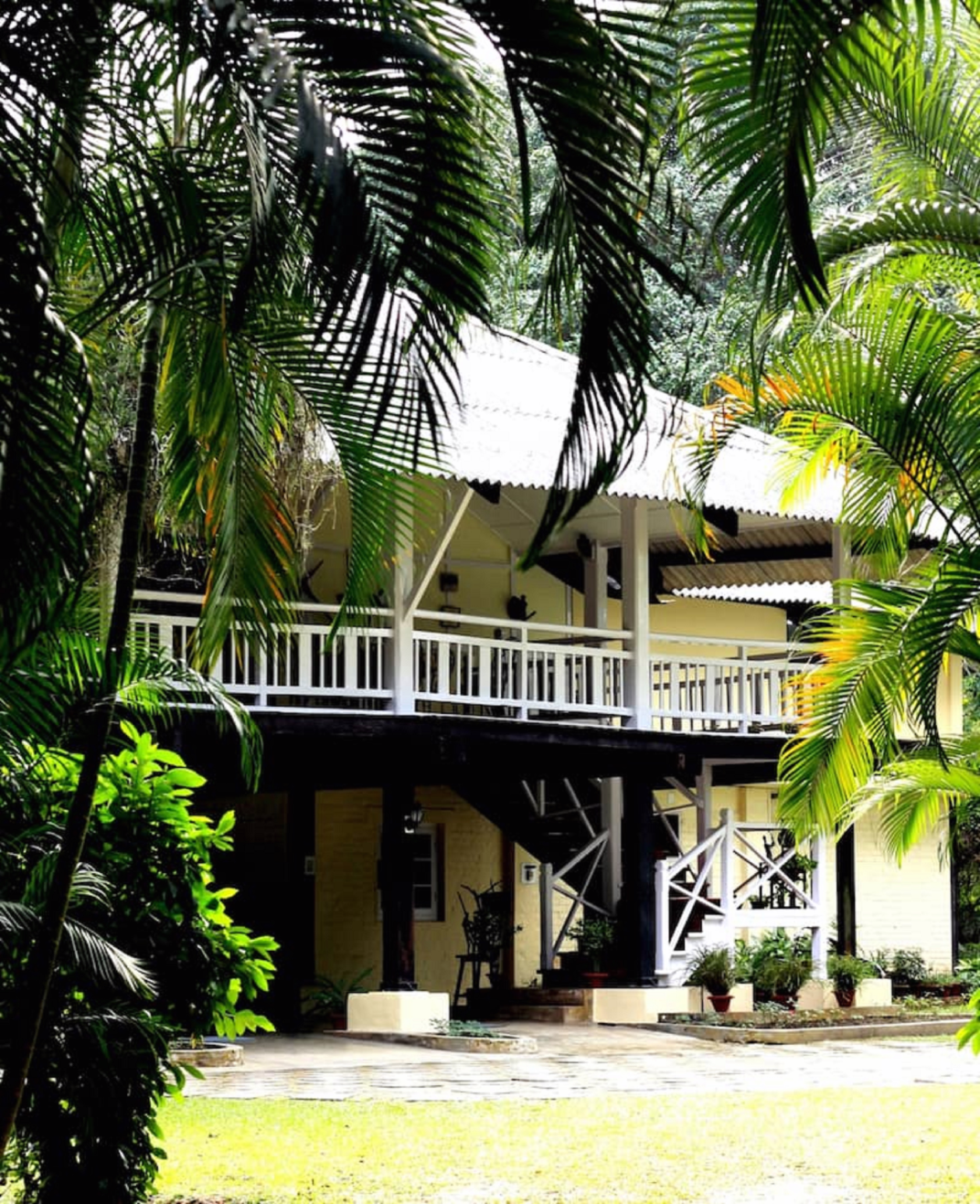
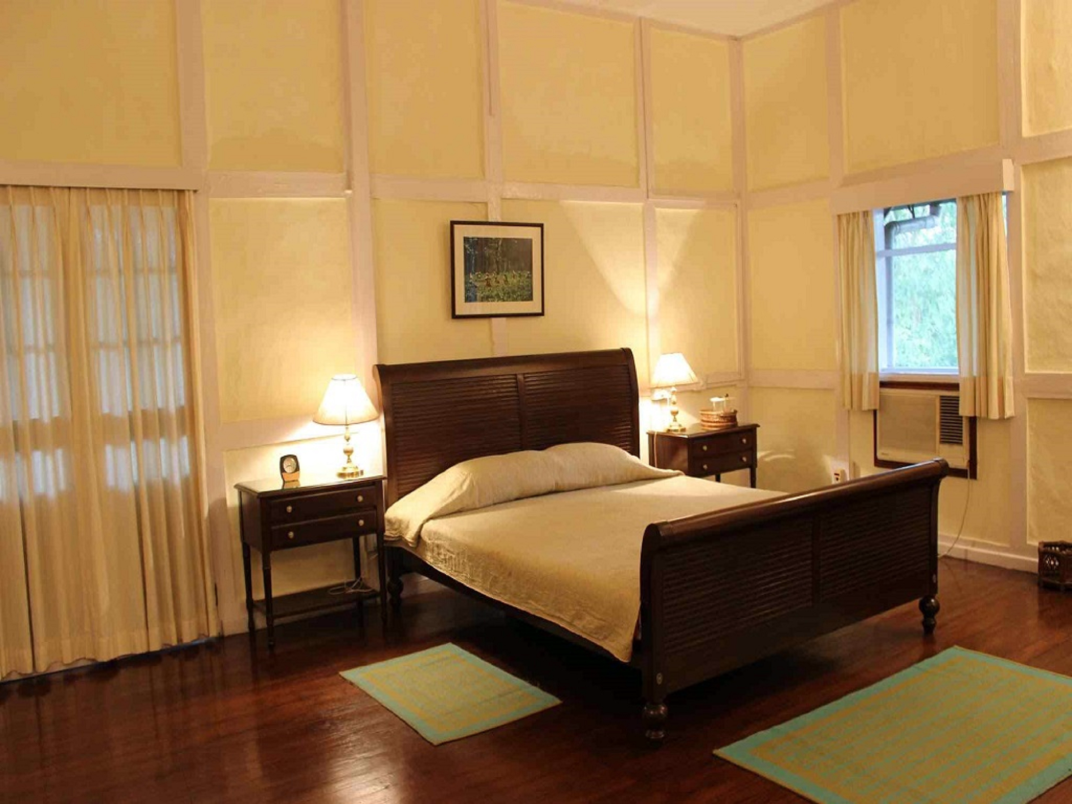
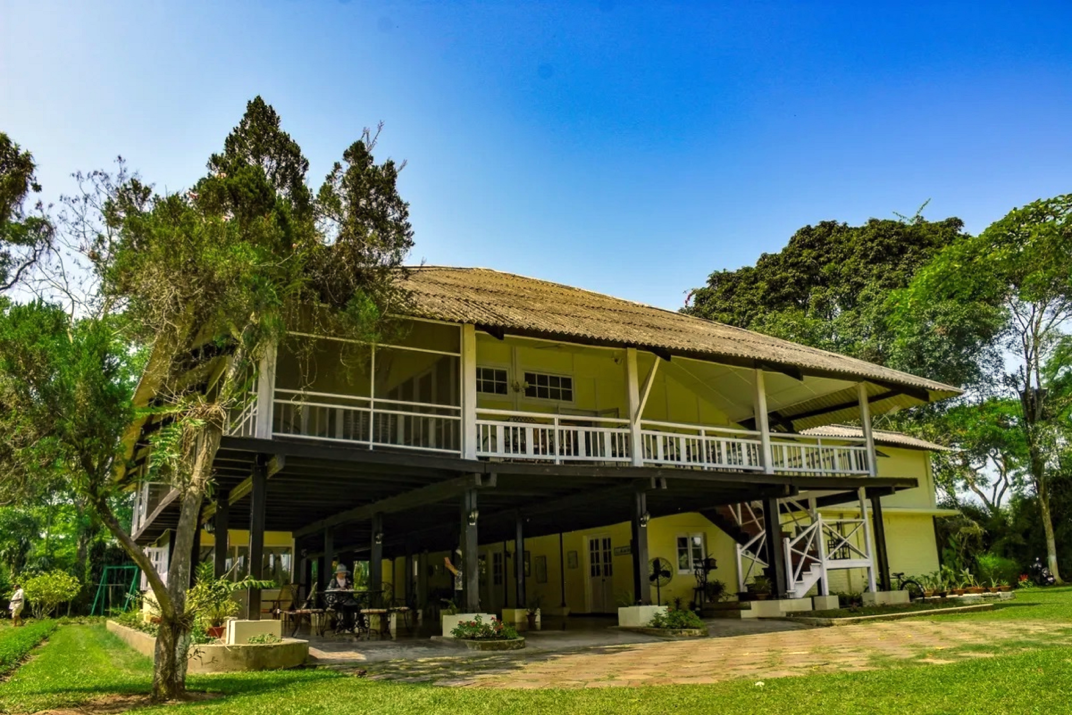
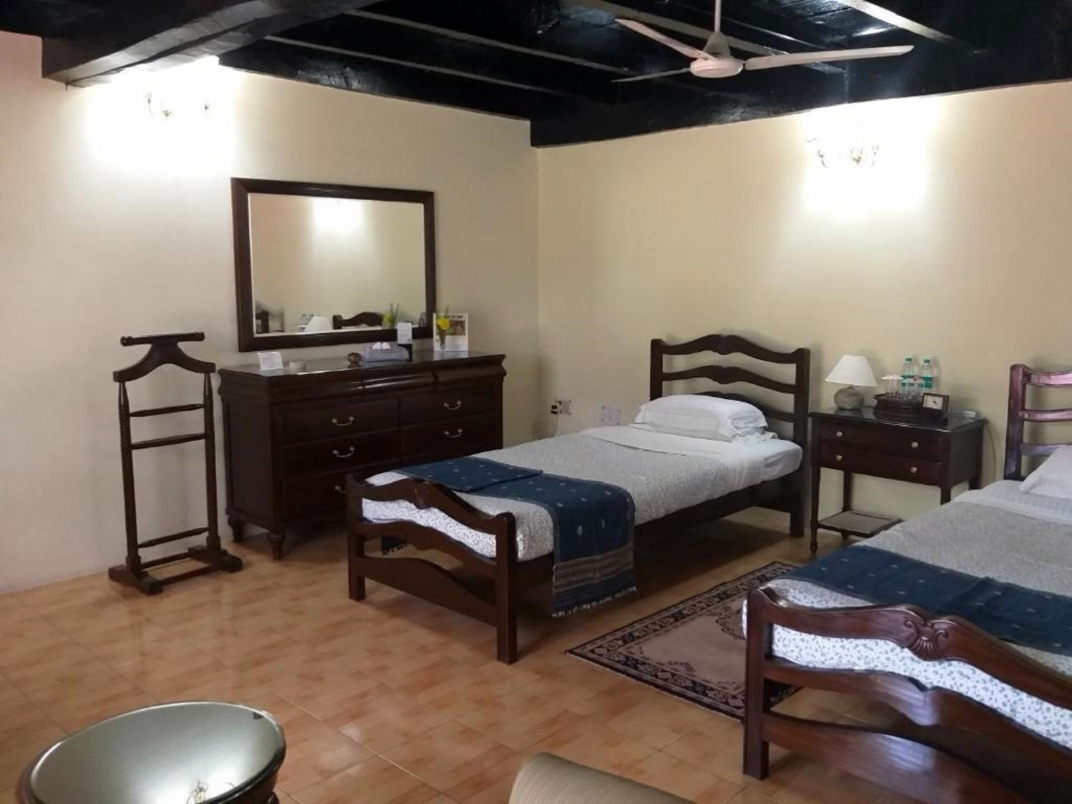
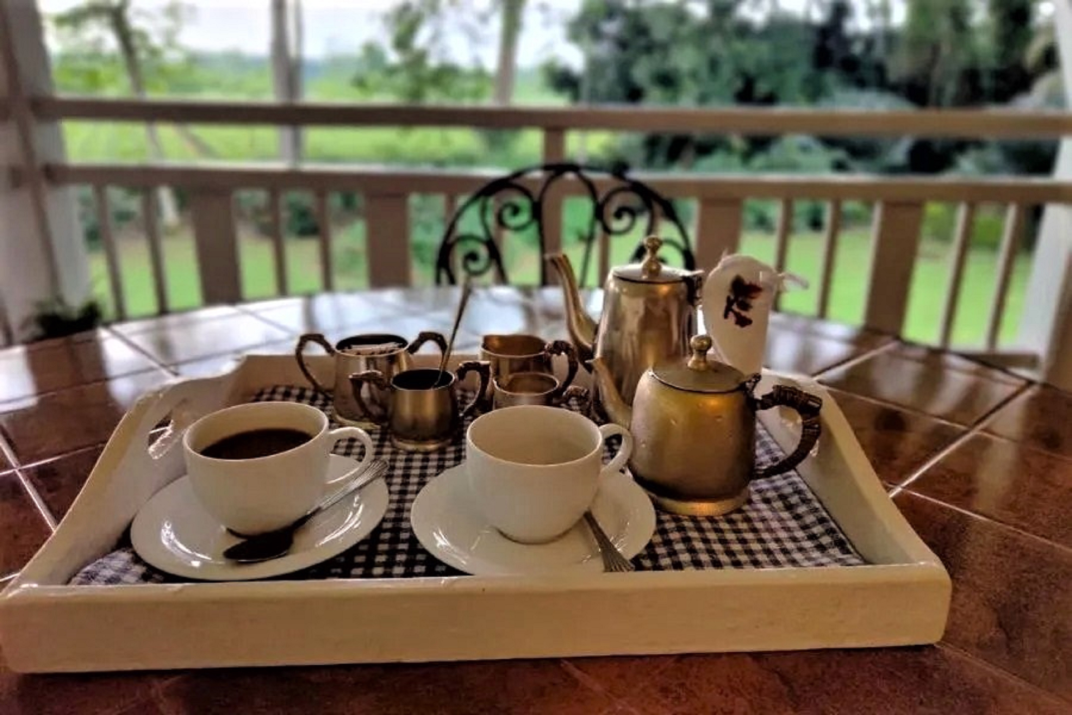
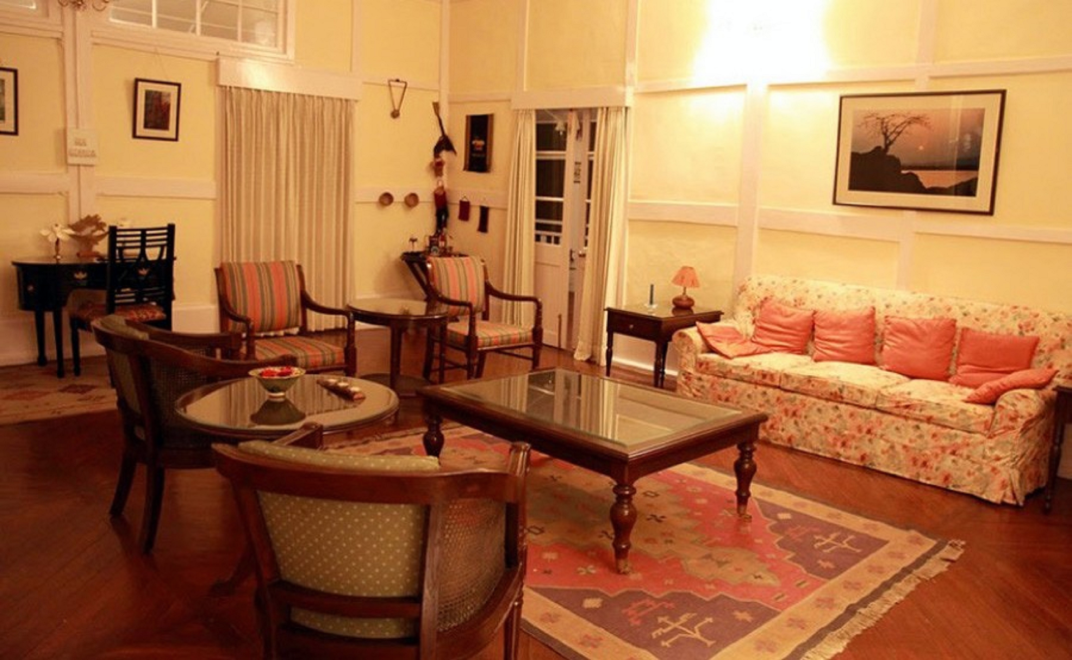
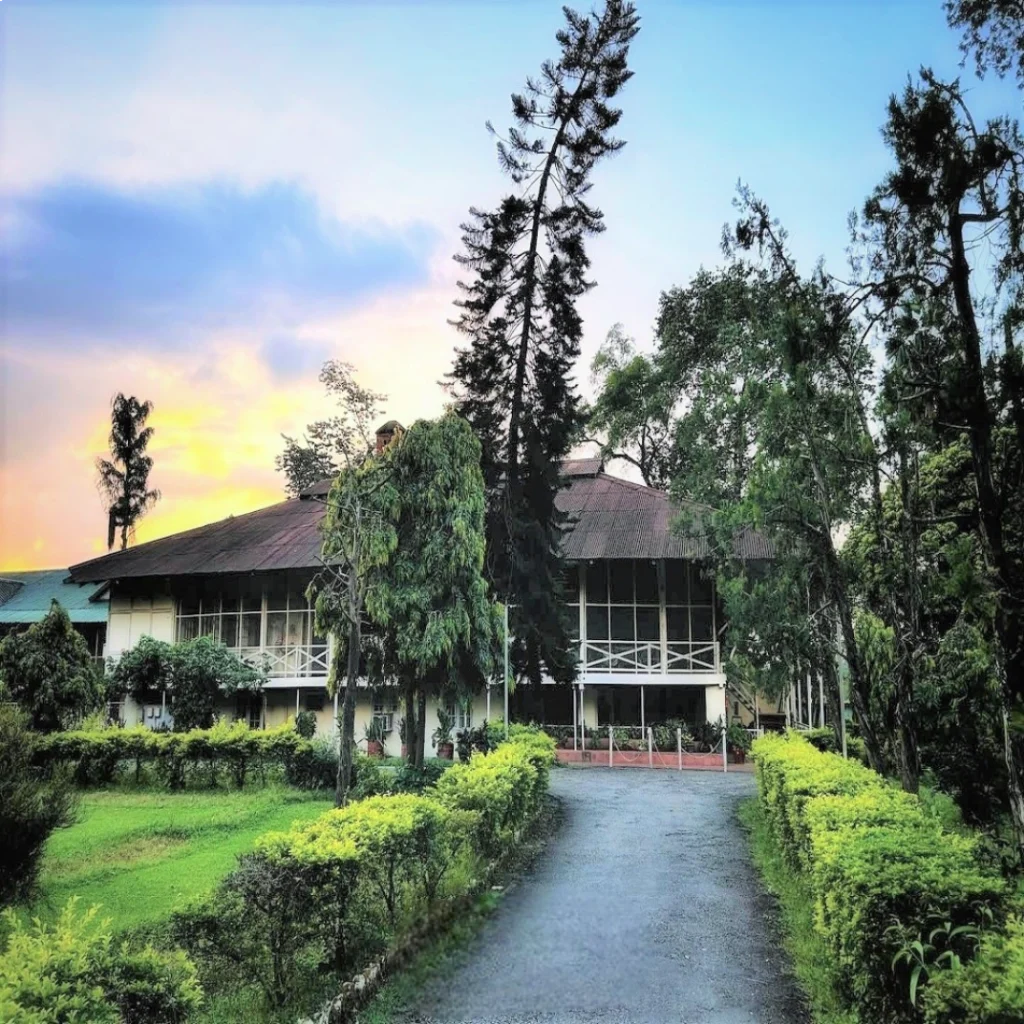
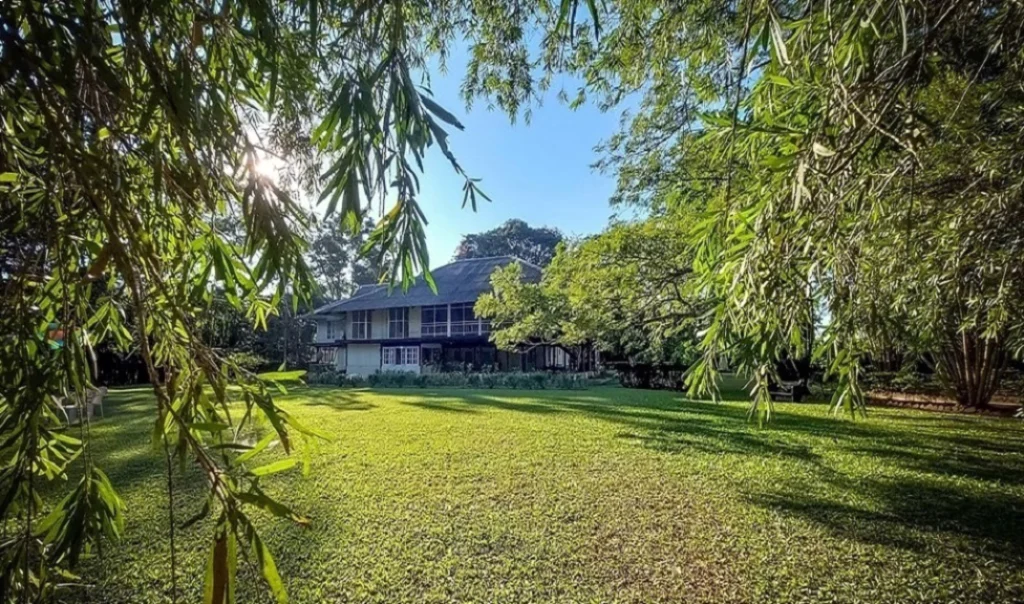
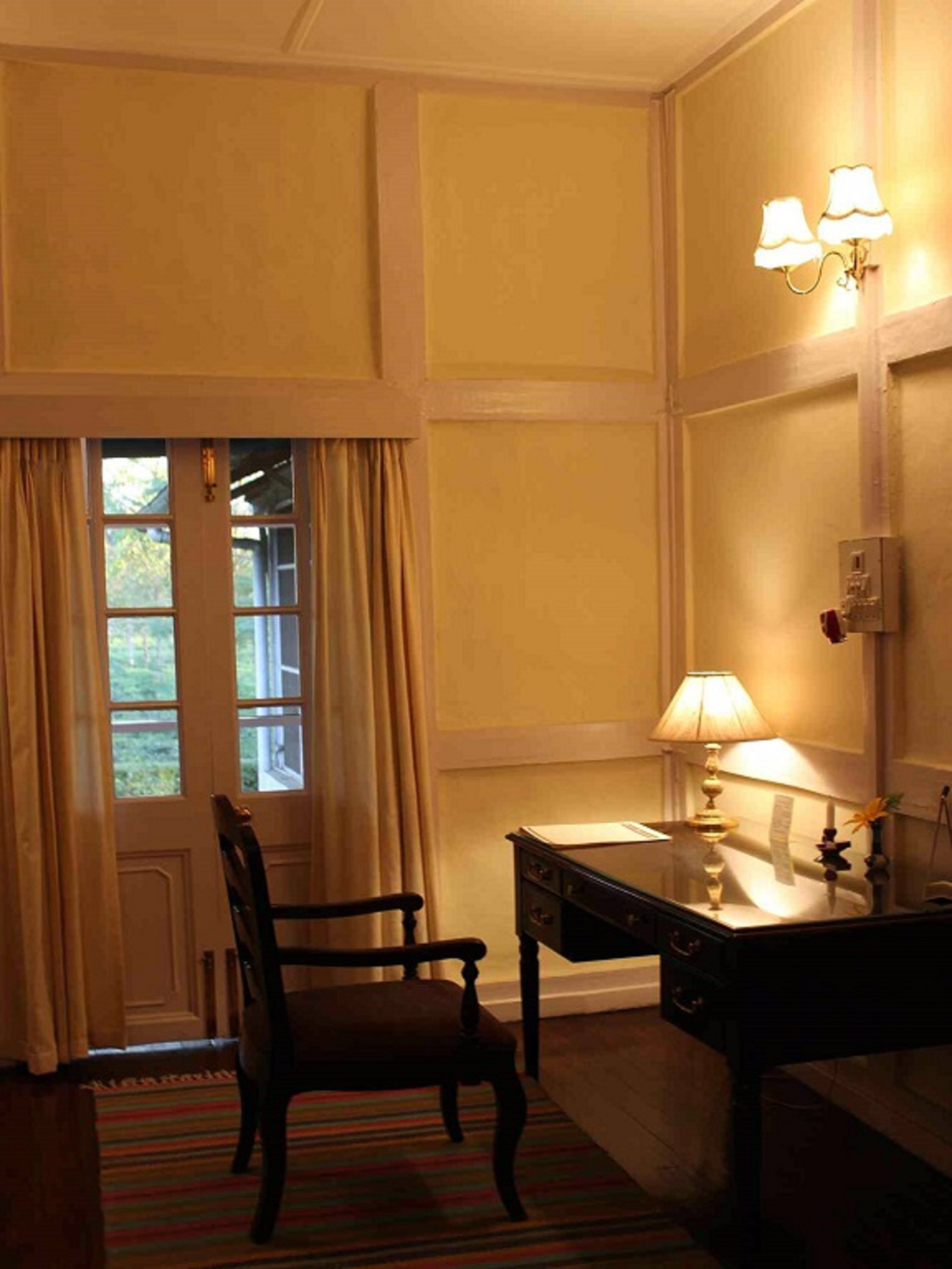
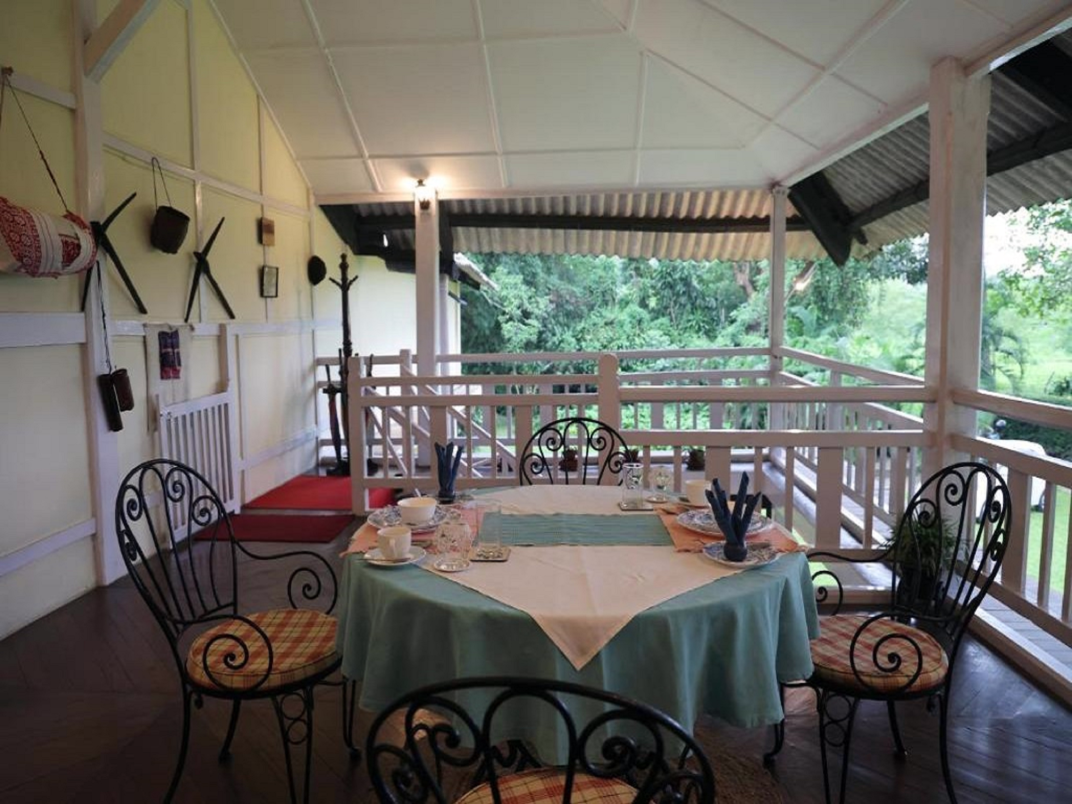
There are only six rooms at Mancotta Heritage Chang Bungalow. Each room is named after a tributary of the Brahmaputra. The two master bedrooms on the first floor are Siang and Dihang, each with a double bed. Padma and Yamuna are twins on the ground floor. Lohit and Manas are comfortable single rooms in the annex at the back of the cottage. Each of the rooms has been carefully renovated. There is no flash and no panache. The rooms are simple, tasteful and elegant. And, one imagines, not too dissimilar to how they would have been when Mr Hayes vacated in the 1970s. Enjoy cups of bright and bold Assamese tea throughout the day. And when the sun begins to set, at dusk take a wander through the neatly pruned tea fields. One of the most pleasant things about Mancotta Heritage Change is the peace and serenity.

To Experience:

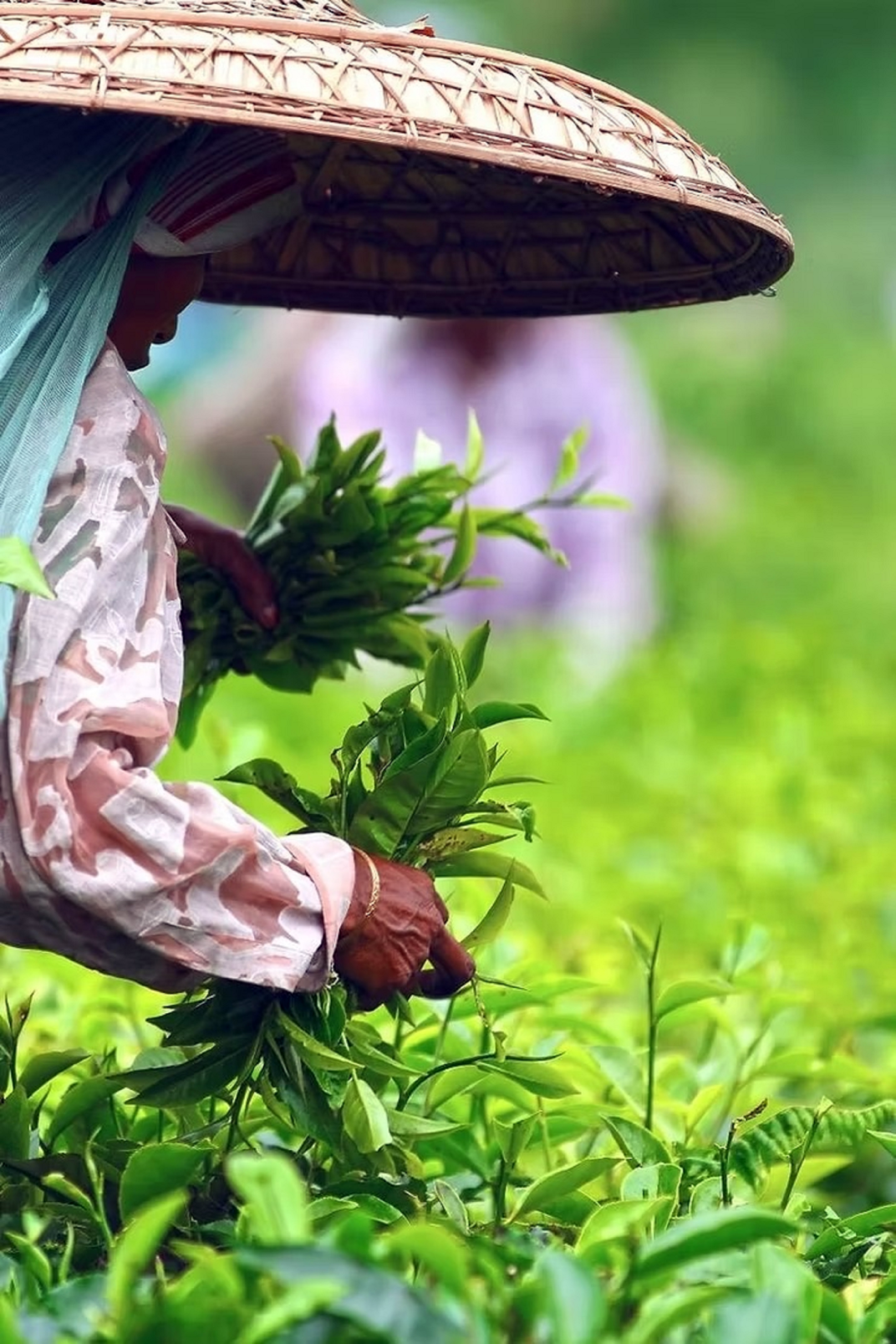
Travelling southwest of Dibrugarh, roughly adjacent to the Brahmaputra, one can reach the ancient town of Sivasagar. There see the ruins of the Ahom Kingdom – the rulers of which came from eastern Myanmar. East of Dibrugarh there is the town of Digboi (oil museum, bunker and the Commonwealth War Graves). At Margherita see the little shop of curiosities lovingly assembled by the townspeople. Why not start with the bungalow’s raison d`etre and take a tea tour through the factory. Meet the tea pluckers and the managers – and find out what goes into making the perfect cuppa! Inspect the plants and see the production line. End with a tea tasting.
To See:
Barbarua Maidam: Some 13Kms from Dibrugarh, Barbarua Maidam is a renowned historical site in the city. The site has two main graveyards of two high-ranking officials from Ahom Dynasty. The size of their graves are quite large. The Maidam beautifully reflects the royalty and aristocracy in their structure and design.
Radha Krishna Temple: Radha Krishna Temple is a must-see tourist place in Dibrugarh for ones who visit it in search of spirituality. The beautiful green gardens that surround the temple add a unique charm to its beauty. The serenity enveloping this place makes it perfect for mediation and relaxation.
DU Park: DU Park, also known as Dibrugarh University Park, is one of the most renowned tourist sites in the region. It lies on the premises of the university and is frequented by not just tourists but locals and students as well.
Shri Jagannath Temple: In the heart of Dibrugarh, where the earthiness of tea plantations mingles with the region’s spirituality, lies a beautiful temple known as the Jagannath Temple. Established by the Sri Sri Jagannath Cultural Trust, Shri Jagannath Temple is a major centre for religious tourism in Assam, drawing thousands of devotees who pray to Lord Jagannath.
Naharkatia Town: A commercial town in Dibrugarh, Naharkatia is known for its tea gardens and villages. The town got its name from an incident where Kalia, an Ahom noble, beheaded Prince Nahar. At present, it is reckoned to be one of the popular picnic spots in Dibrugarh.
Dinjoy Satra, Dibrugarh, Assam: Situated around 5Kms towards north of Chabua township at Bisnubalikakunshi village near North Lakhimpur, Dinjoy Satra was founded by Aniruddha dev, who was one of the twelve principal disables of Gopal Atadev. It is a famous religious site of Dibrugarh, and devotees following Vaishnavism regularly visit this Satra. Today the Dinjoy Satra isn’t just a religious institution but also plays a very important cultural and historical role, binding the society together.
Tea Estates: A visit to Dibrugarh is incomplete without a tour of the tea estates. The city is home to some of the most famous tea gardens, including Mancotta, Chabua, and Naharkatiya. These estates offer guided tours where you can witness the entire tea-making process, from plucking the fresh tea leaves to their transformation into the delightful tea that fills your cup.

Suggested Itineraries

Dibrugarh – Pasighat – Wakro
Duration: 5Nights/6Days

Day 1: Dibrugarh
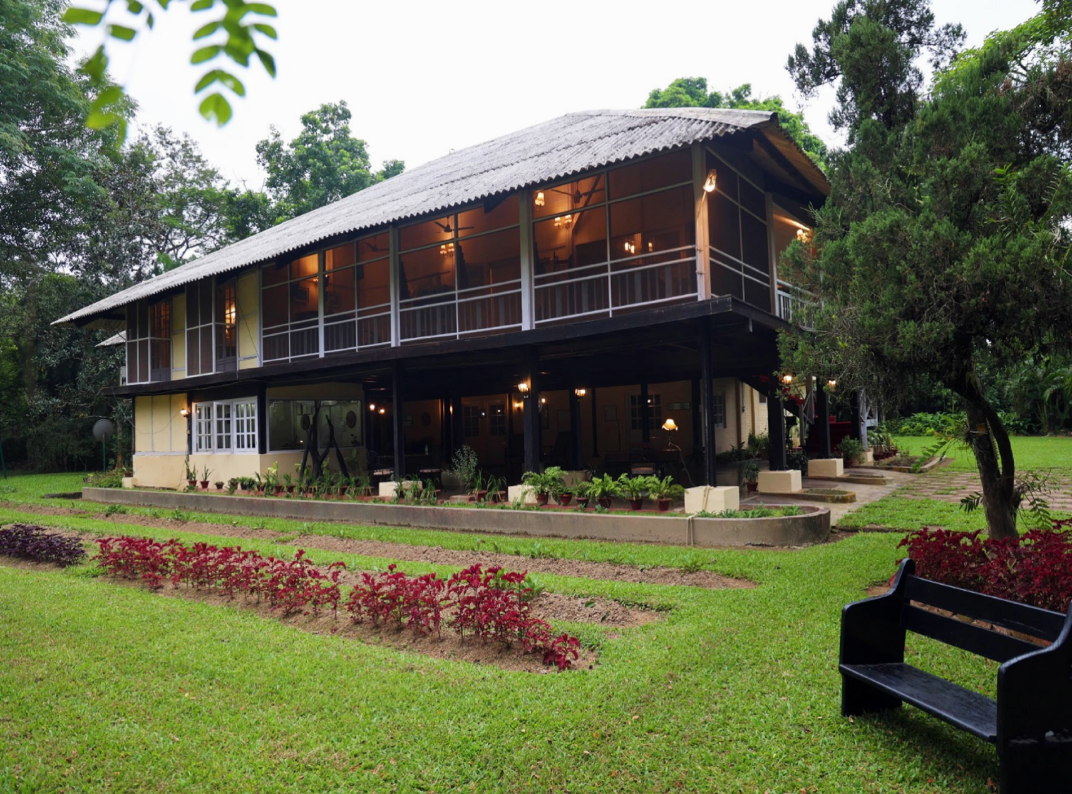
Arrival at Dibrugarh Airport/Dibrugarh Station. Meet and greet by our representative. Transfer to stay, which is a charming colonial-style house perched on stilts. You’ll have the rest of the day to either wander around, soak in the local vibe, or relax.
Evening free at leisure. Overnight stay at Dibrugarh.
Meals: Dinner

Day 2: Day Excursion to Namphake and Maguri Beel
After breakfast immerse yourself in the Assam Tea Estate Experience as you’ll visit famous CTC and orthodox tea factories to see the fascinating tea-making process up close. Later drive to Naharkatiya and visit Namphake Village, home to the Tai-Phake community and one of Assam’s oldest Buddhist monasteries. Next head to Maguri Beel Wetland, a birdwatcher’s dream, where you can enjoy a peaceful boat ride along the Dibru River.
Evening free at leisure. Overnight stay at Dibrugarh.
Meals: Breakfast and Dinner

Day 3: Dibrugarh – Pasighat (Arunachal Pradesh)
After breakfast, drive to Pasighat, where you’ll encounter the Adi community, renowned for their vibrant cultural traditions and colourful attire. Travel across the impressive Bogibeel Bridge, which is India’s longest rail-cum-road bridge, into Pasighat, a lush town in Arunachal Pradesh. Check into your scenic river camp right by the Silang River. Visit an Adi tribal village, where you can experience their vibrant clothing and rich cultural traditions. Transfer to stay.
Evening free at leisure. Overnight stay at Pasighat.
Distance: 150Kms | Time: 3Hrs | Meals: Breakfast and Dinner

Day 4: Pasighat – Roing – Wakro
After breakfast drive to Roing, a charming tribal village of the Idu Mishmi people, nestled at the foot of the Himalayas. Drive further to Wakro – home to the Khampti tribe, known for their Southeast Asian heritage and distinctive Lik-Tai script. Transfer to stay.
Evening free at leisure. Overnight at Wakro.
Distance: 100Kms | Time: 2Hrs | Meals: Breakfast and Dinner

Day 5: Wakro (Excursion)
After breakfast visit Parshuram Kund, a sacred pilgrimage site of profound spiritual, cultural, and historical importance. Nestled along the serene banks of the Lohit River, this sacred destination has been a spiritual magnet for devotees for centuries. One of your ‘not-to-be-missed activities’ during our stay in Wakro will be to visit a traditional Mishmi longhouse at Medo village, near Wakro.
Evening visit the local market or free at leisure. Overnight stay at Wakro.
Meals: Breakfast and Dinner

Day 6: Dibrugarh Airport/Station Drop via Namsai Golden Pagoda
After breakfast depart for Namsai, the Land of Enchanting Pagodas and Serenity and visit Golden pagoda also known as Kongmu Kham. Further drive to Dibrugarh Airport/Dibrugarh Station.
Distance: Airport/Station 140Kms | Time: 3Hrs
Distance: Namsai – Dibrugarh 120Kms | Time: 2Hrs 30Mins | Meals: Breakfast

Dibrugarh – Margherita – Tipamphake
Duration: 5Nights/6Days

Day 1: Dibrugarh
Arrival at Dibrugarh Airport/Dibrugarh Station. Meet and greet by our representative. Transfer to stay, which is a charming colonial-style house perched on stilts. You’ll have the rest of the day to either wander around, soak in the local vibe, or relax.
Evening free at leisure. Overnight stay at Dibrugarh.
Meals: Dinner

Day 2: Day excursion to Namphake and Maguri Beel
After breakfast immerse yourself in the Assam Tea Estate Experience as you’ll visit famous CTC and orthodox tea factories to see the fascinating tea-making process up close. Later drive to Naharkatiya and visit Namphake Village, home to the Tai-Phake community and one of Assam’s oldest Buddhist monasteries. Next head to Maguri Beel Wetland, a birdwatcher’s dream, where you can enjoy a peaceful boat ride along the Dibru River.
Evening free at leisure. Overnight stay at Dibrugarh.
Meals: Breakfast and Dinner

Day 3: Dibrugarh – Margherita
After breakfast depart for Margherita, the town takes its out-of-place name from an Italian engineer who helped in setting the first railway line over here. From Margherita we will drive to a village inhabited by the Singpho tribe where we will stay in quaint cottages set in the midst of tea gardens. Transfer to stay.
Evening free at leisure. Overnight stay at Dibrugarh.
Distance: 100Kms | Time: 2Hrs | Meals: Breakfast and Dinner

Day 4: Margherita
In the morning we visit some villages of the Singpho tribe which trace their origin from Myanmar. It was by observing their lifestyle, that the British got the idea of cultivating tea in Upper Assam. We will also visit the oil town of Digboi, where the first oil refinery in Asia was setup. A visit to the Oil museum will give us tons of interesting information on how oil was found over here.
Evening free at leisure. Overnight at Singpo Village.
Meals: Breakfast and Dinner

Day 5: Margherita – Tipamphake
This morning we move on to our next destination – Tipamphake. It is a small village inhabited by the Tai Phake community who originally came down from Thailand via Myanmar sometime in the 16th century. Transfer to stay.
Have lunch at the Eco-camp after which we walk down the forested trails of the Dehing – Patkai Wildlife Sanctuary. Being the only rainforest in Assam the walk will provide great opportunities to see birds like the Great Hornbill, Kalij Pheasant, Slender Billed Vulture and many more.

Evening unwind around the bonfire. Overnight stay at Tipamphake Village.
Distance: 150Kms | Time: 4Hrs | Meals: Breakfast, Lunch and Dinner

Day 6: Tipamphake – Dibrugarh Airport/Railway Station Drop
After breakfast check-out and drive to Dibrugarh Airport/Dibrugarh Station.
Distance: Airport/Station 70Kms | Time: 2Hrs | Meals: Breakfast


Impact Footprint

Immersive Plantation Experiences: Walking around the tea estate, will give an opportunity to experience the tea plantation life.

Cultural Exchange: Fosters meaningful connections between the visitors and local community of planters and workers through interactive experiences.

Vibrant Local Festivals: Experience colourful celebrations showcasing local traditions.

Sustainable Agriculture: Home-cooked meals for the guests emphasize the importance of planting and maintaining fields, promoting sustainable agricultural practices within the community.

Impact Footprint

Immersive Plantation Experiences: Walking around the tea estate, will give an opportunity to experience the tea plantation life.

Cultural Exchange: Fosters meaningful connections between the visitors and local community of planters and workers through interactive experiences.

Vibrant Local Festivals: Experience colourful celebrations showcasing local traditions.

Sustainable Agriculture: Home-cooked meals for the guests emphasize the importance of planting and maintaining fields, promoting sustainable agricultural practices within the community.