The Heritage, Kohima

Village - Kohima, Nagaland

House Rules:
Check-in time: 12:00 pm
Check-out time: 11:00 am
For early check-ins or late check-outs don’t be shy to check with us.
Slow and soft music is okay, but please do not play loud music. You are in the middle of nature and a village.

Services of the staff are available until 10:00 pm
We follow a strict no-smoking policy inside the house. You may ask the caretaker for an ashtray and smoke outside the house if you need to.
Follow local customs and traditions while interacting with villagers. Support community-based tourism initiatives by engaging with local artisans/handicraftsman, businesses, temples and nature.
Pets:
Pets are not allowed.
Wifi and Connectivity:
There is a good 4G/5G connectivity for Airtel and Jio users, unless the weather is bad. Anyone who needs dedicated connection should carry an Airtel/Jio Sim and it works very good. We have WiFi availability.
Cancellation Policy:
45 – 30 days prior to check-in date – 50 % of full amount would be charged as retention
31 – 16 days prior to check-in date – 75 % of full amount would be charged as retention
15 Days prior to check-in date – 100% of full amount would be charged as retention.

Bookings made for long weekends, festivals and blackout periods (sold-out dates, special festivals, Christmas & New Year) are non-refundable and non-changeable.

Getting There:
By Road:
There are roads connecting all the district headquarters of Nagaland and many parts of Assam and Manipur.
By Train
Kohima doesn’t have a railway station but there is a nearby one in Dimapur. It is well-connected to Jorhat, Chennai, New Delhi, Guwahati, Dibrugarh, and Kolkata.
By Air
Although Kohima doesn’t have an airport, you can easily travel to Dimapur Airport. It is a domestic airport only 74Kms from Kohima and well-connected to the major Airports in India.

We will share the exact directions upon confirmation. We have pickup, drop facility from the Airport/Railway Station, which are chargeable additionally.
We also offer accommodation for the drivers at the property at an additional cost. Please inform us at the time of booking so that appropriate arrangements can be made.

Reaching the property in daylight is advisable
The Stay:

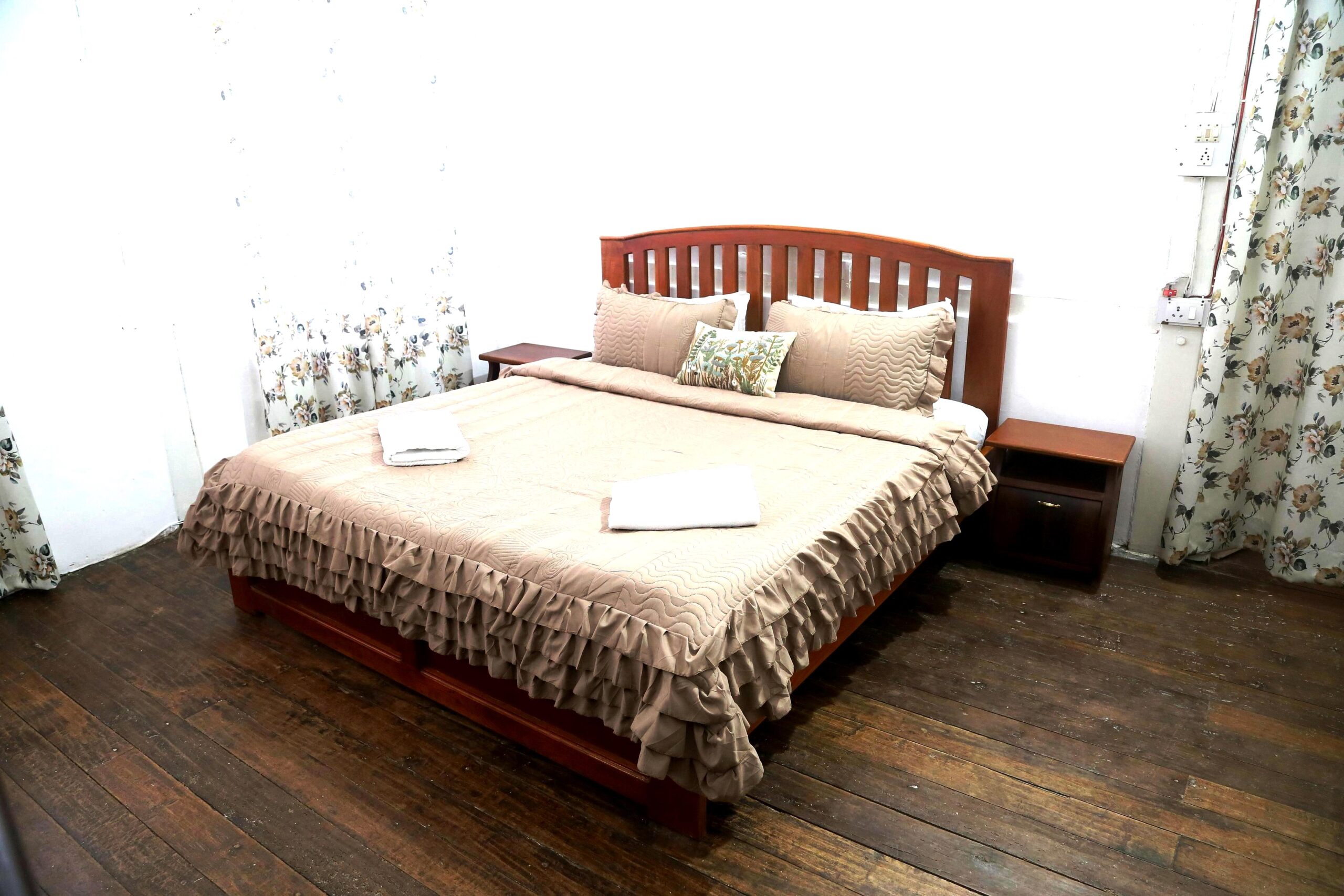
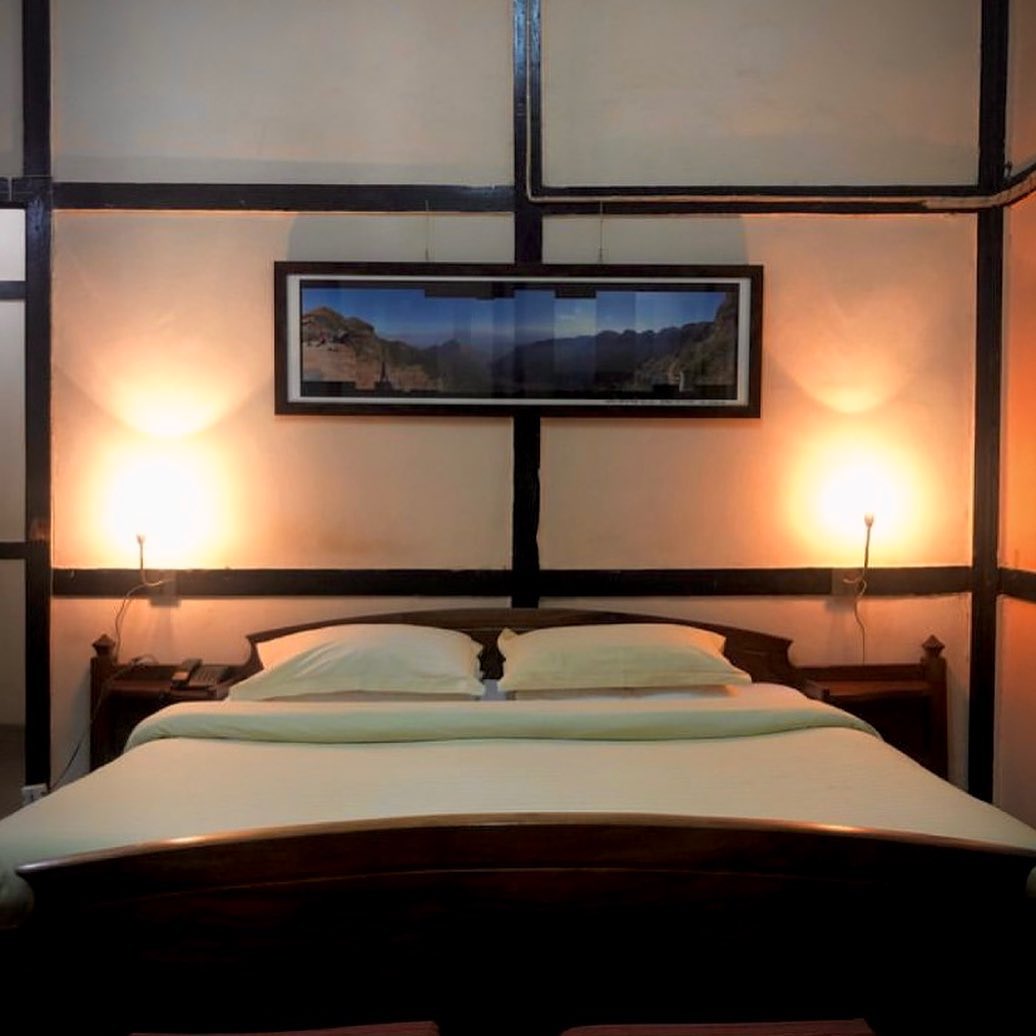
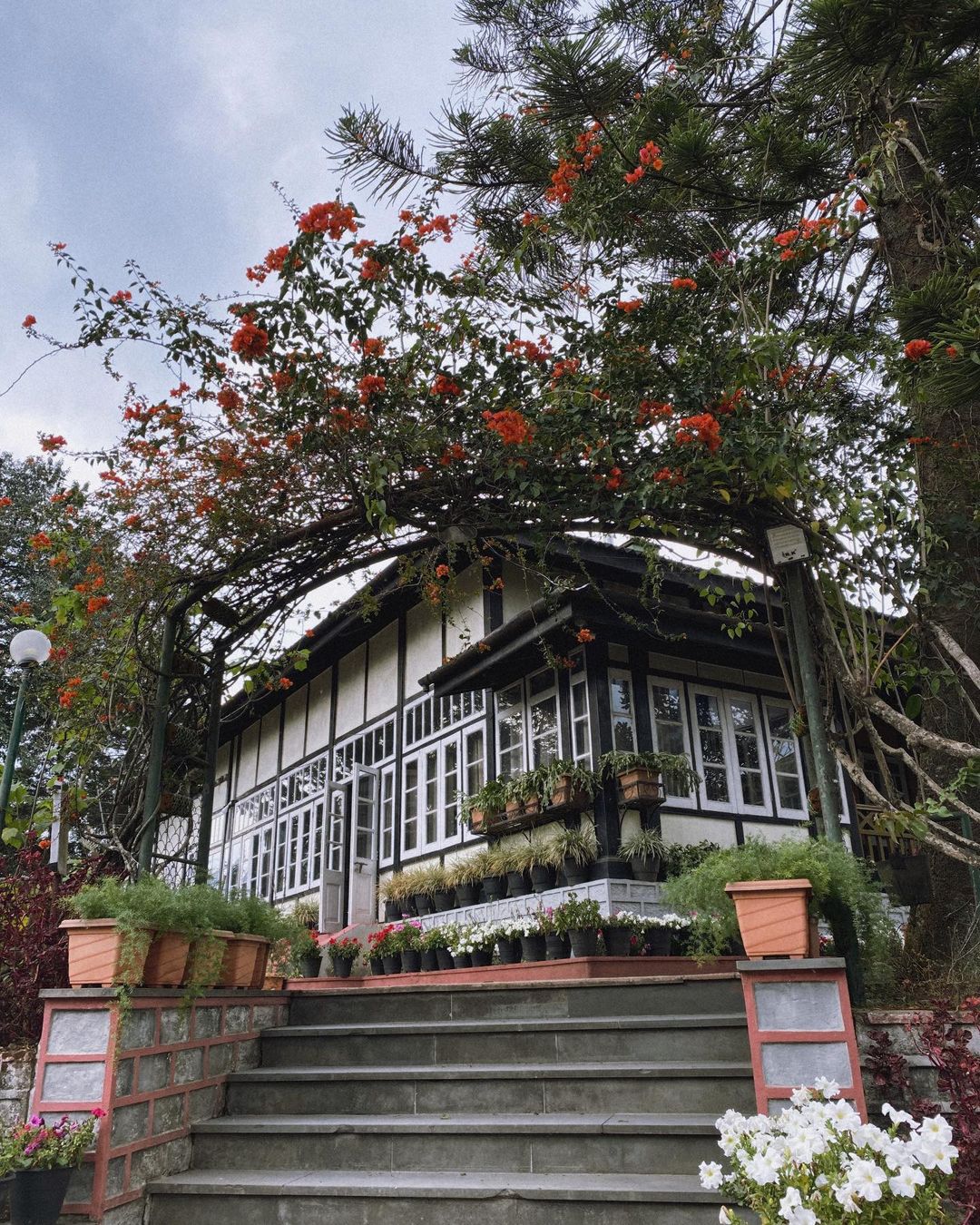
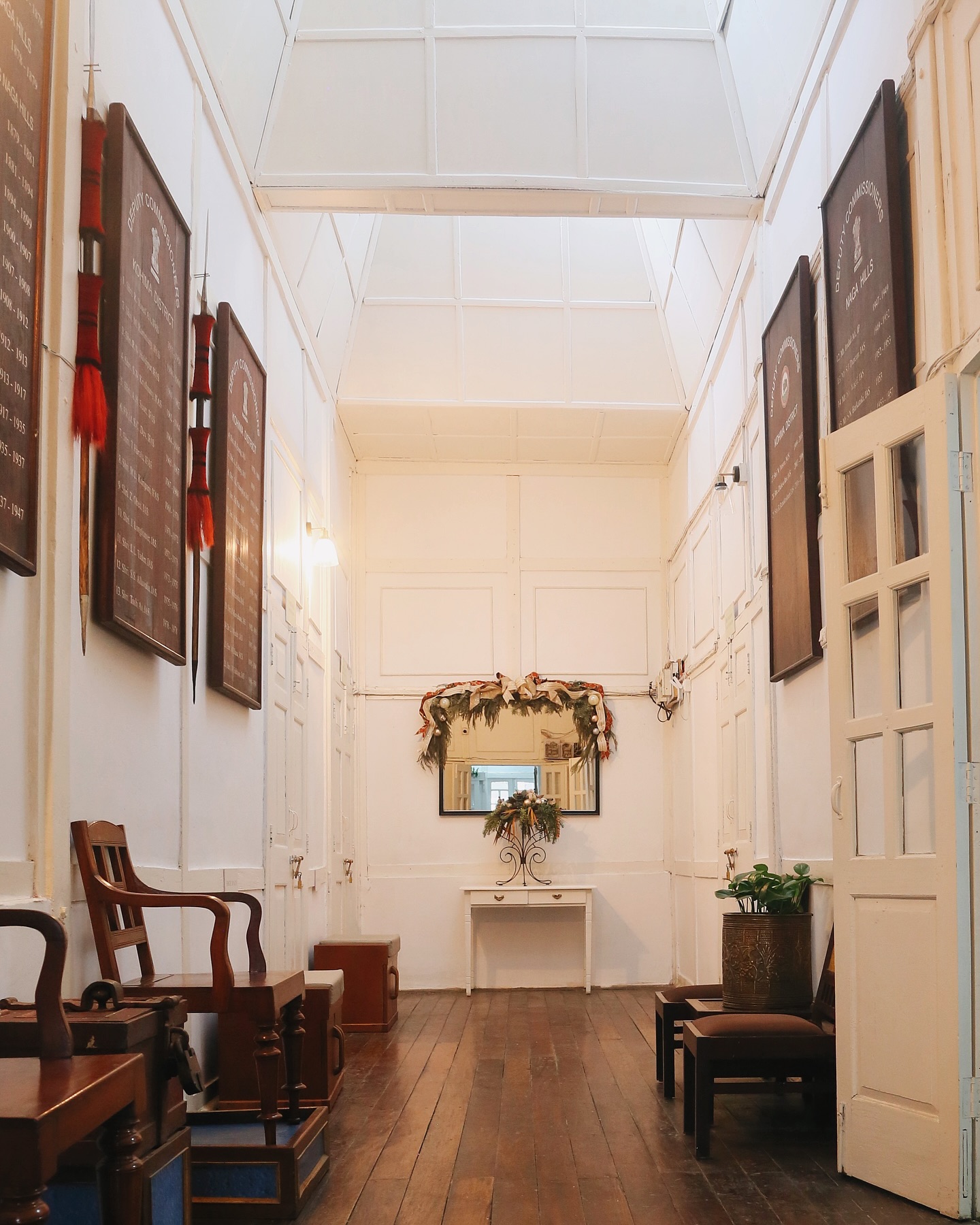
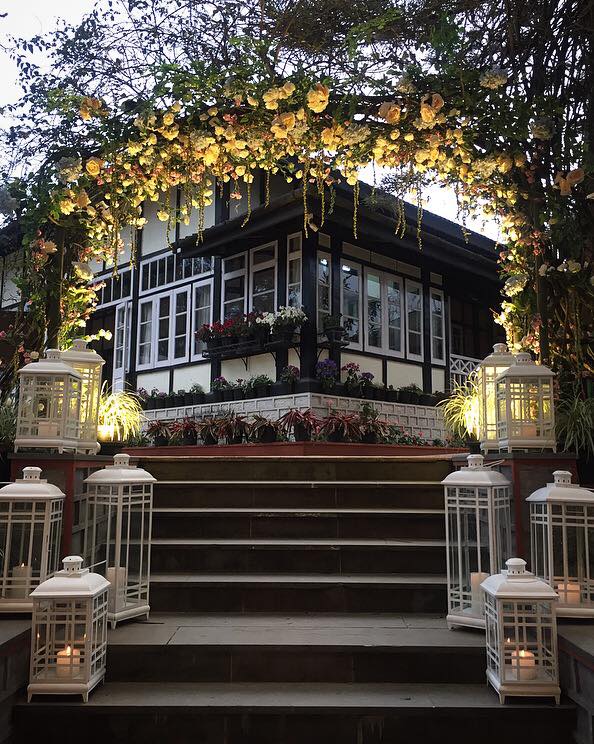
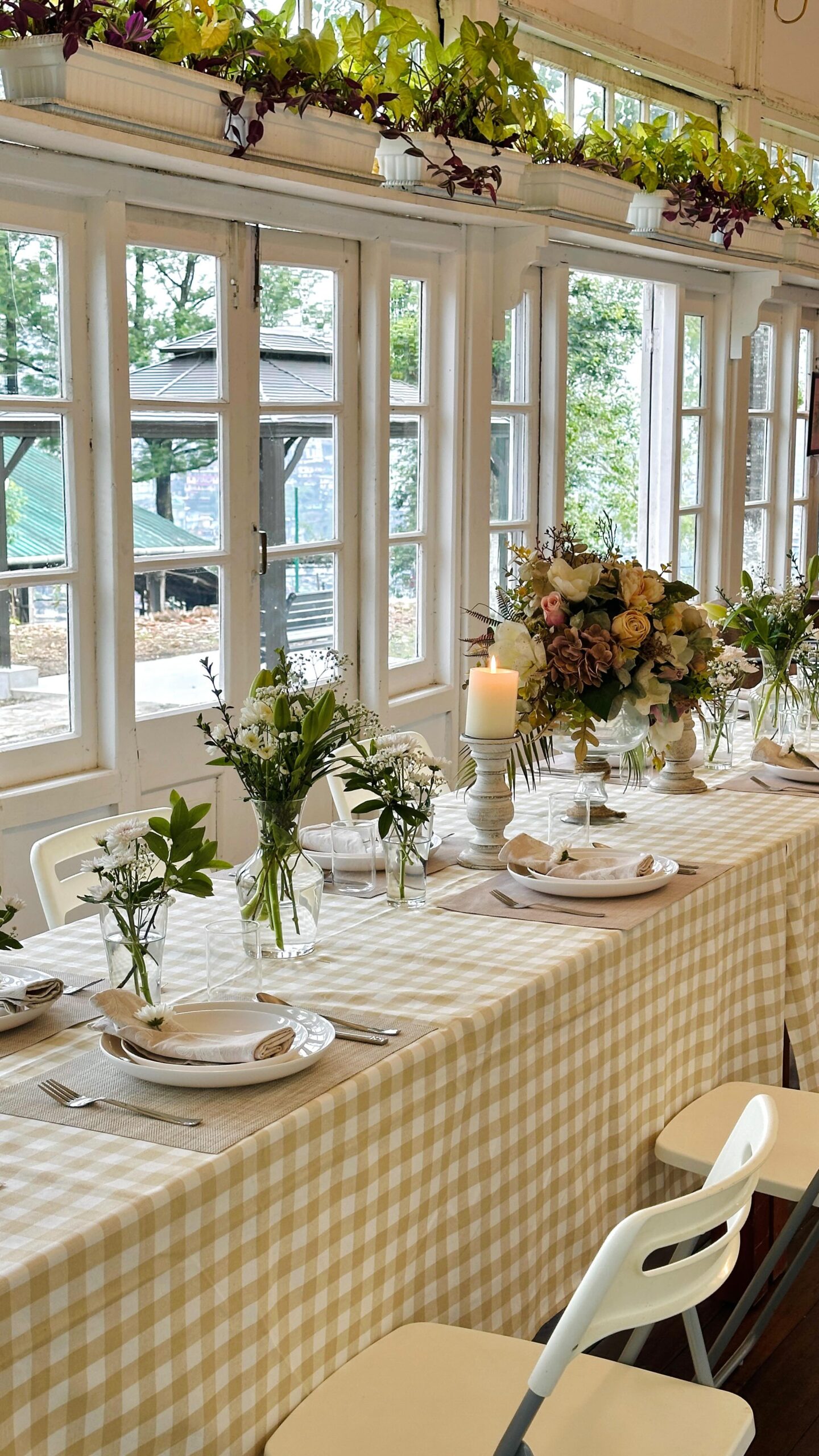
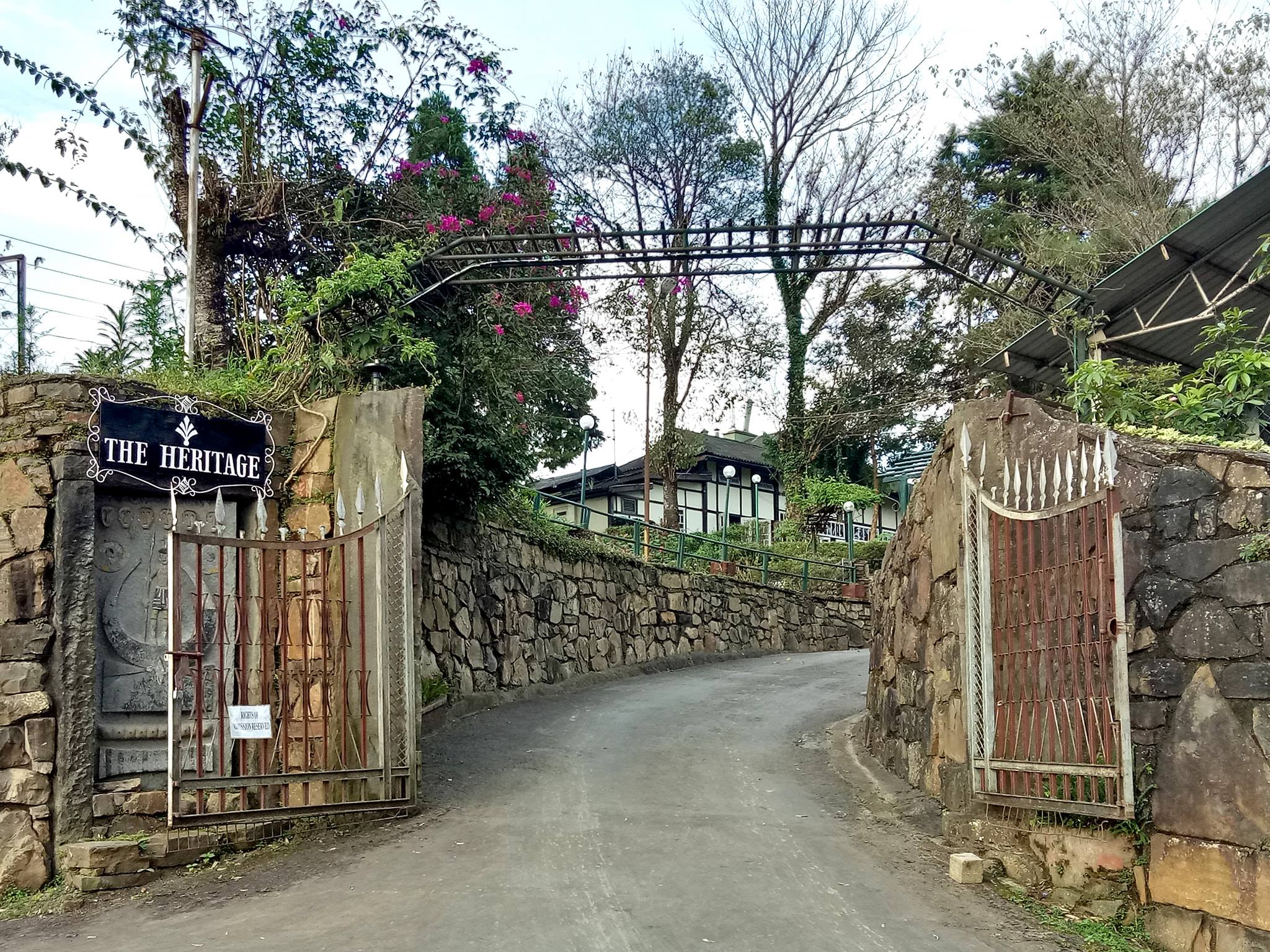
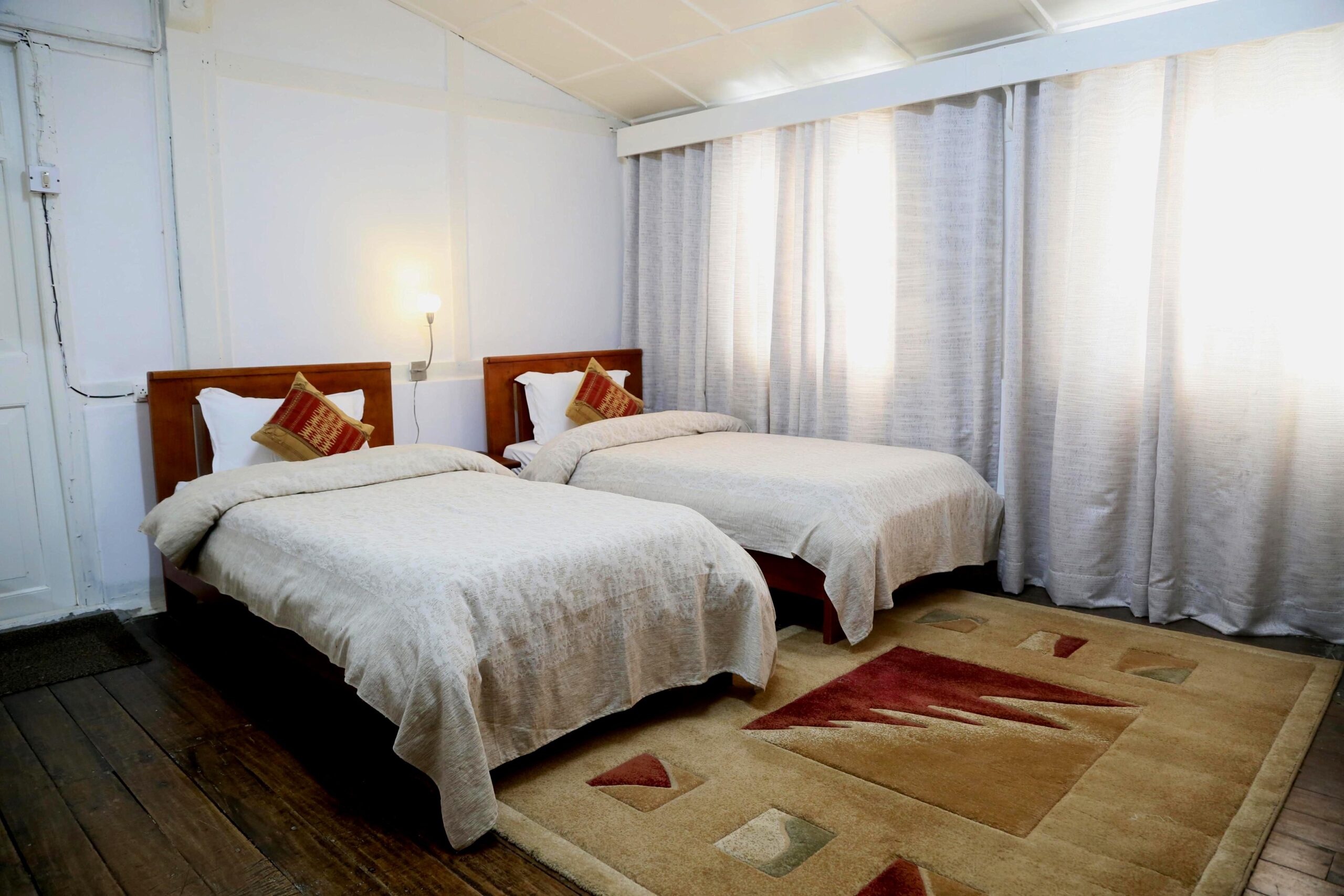
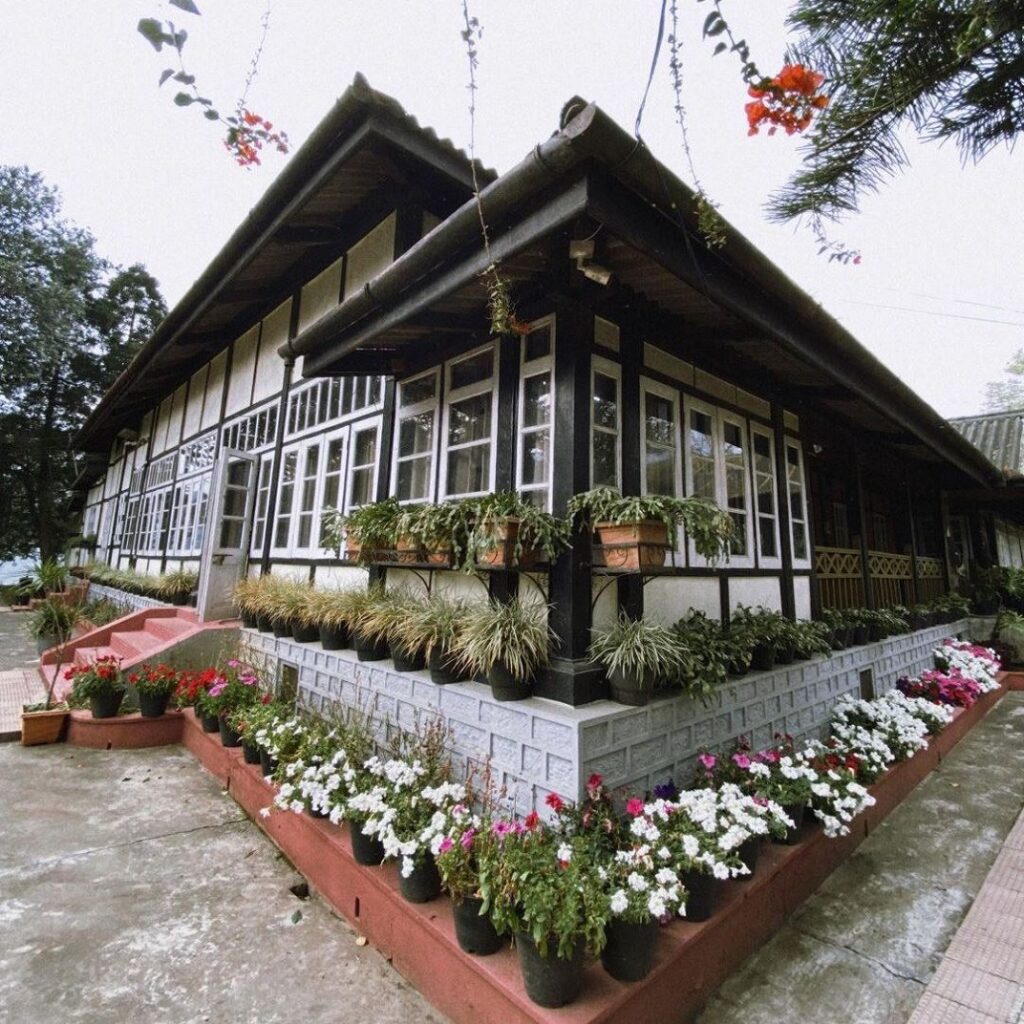
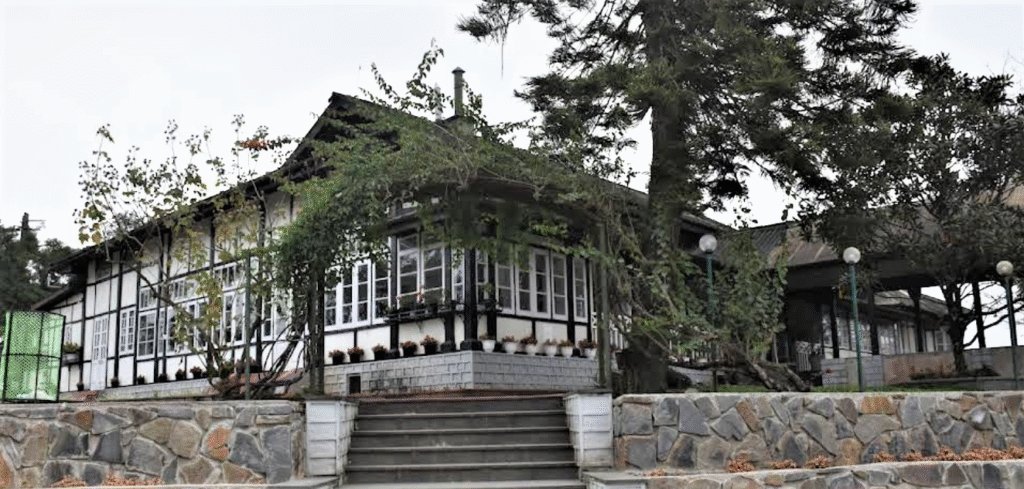
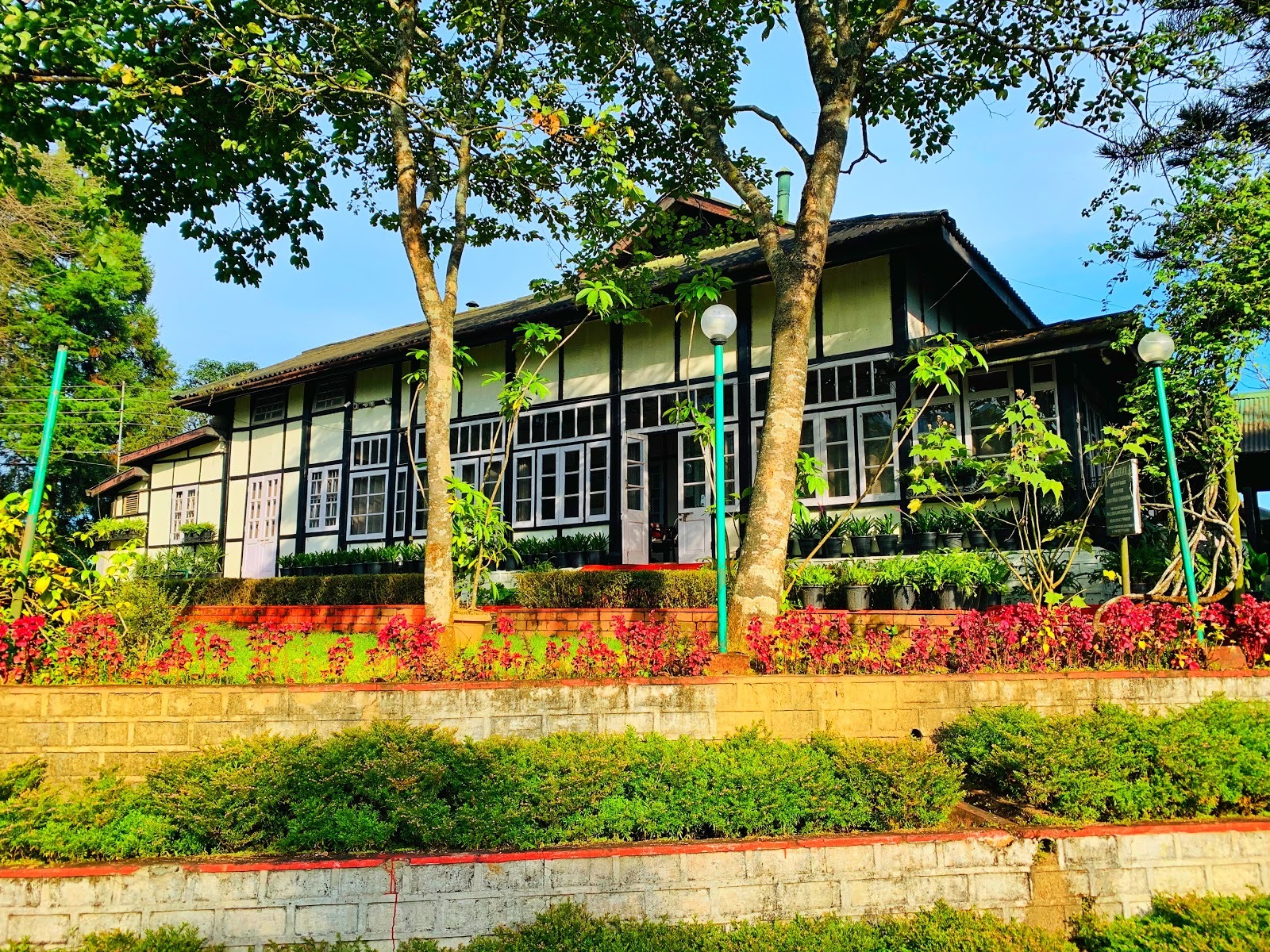
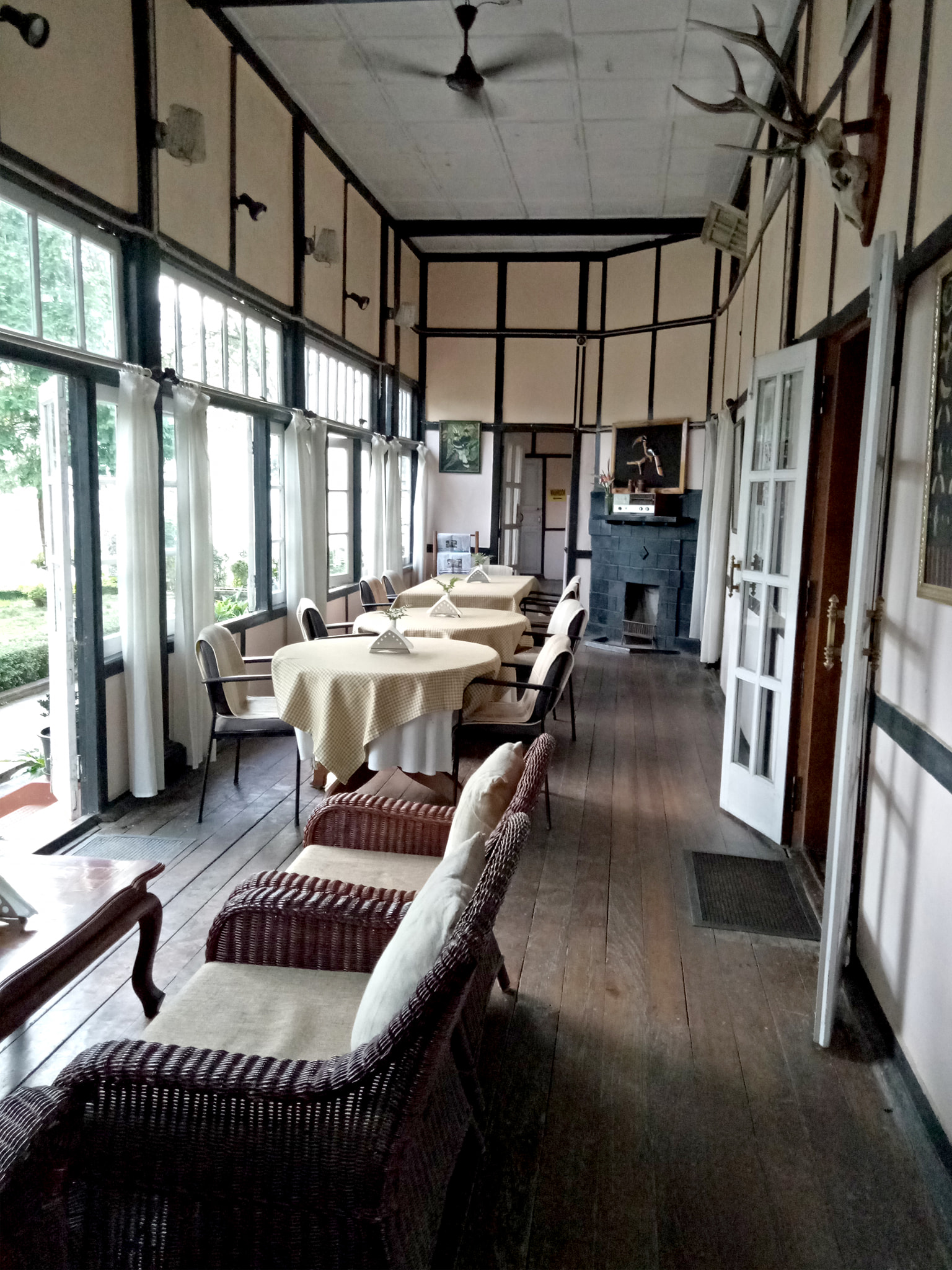
Perched on the Officers’ hill and situated close to the Raj Bhavan, this 19th century edifice was the official residence of the Deputy Commissioner till the state tourism department decided to convert it into a hotel in 2007. Apart from providing a distinct period feel, it also provides a wonderful panoramic view of Kohima town. Other than the master bedroom which has been converted into a suite, there are two other bedrooms which probably served as children’s or guest bedrooms in the Raj era. There are two sitting rooms. A pretty enclosed verandah serves as the dining area and reception.. The bathrooms retain the original bathtubs ordered from Europe by ship and these were brought all the way up to Kohima from Calcutta on bullock carts! Wooden flooring, fireplaces in every room, period furniture and interiors decorated with Naga tribal artefacts complete the experience. The property provides a Naga pavilion, a Naga hut and a covered court for banquet and conference purposes on its sprawling grounds. Free internet facility is also provided.

To Experience:

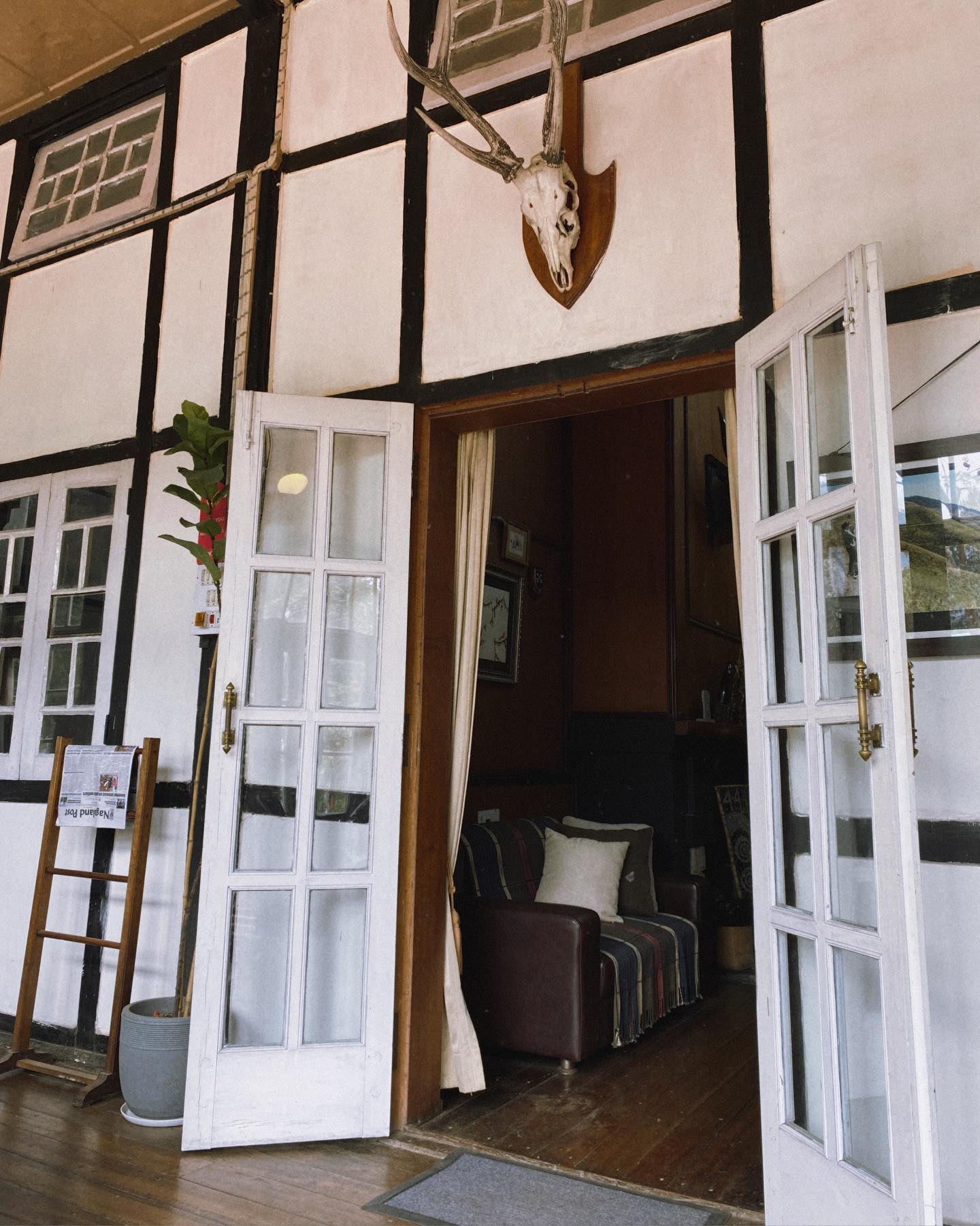
As you step inside the bungalow, you will be transported to a bygone era. The interior reflects the charms of the colonial style with its high ceilings, vintage furniture and elegant décor. The on-site restaurant offers a variety of dishes, including local Naga and popular Indian cuisine, providing a warm and inviting atmosphere for guests. The stay features a banquet/conference hall designed like a Naga hut, suitable for events. Apart from providing a distinct period feel, it also provides a wonderful panoramic view of Kohima town. One of the sitting rooms has an interesting collection of books which is always a an added attraction for those who would love to spend some great time reading books on Naga folktales.
To See:
Mary Help Of Christians Cathedral: This architecturally remarkable building is considered the largest cathedral in the Northeast. A notable highlight of the cathedral is the 16-foot-high carved wooden crucifix. The cathedral was officially consecrated in April 1991, following a peace memorial service that involved war veterans from England and Japan.
Kohima State Museum: The collection vividly illustrates Naga life, showcasing intricate architecture, miniature depictions of the different houses and traditional huts across Nagaland, weapons, tools, clothing, and more. With models and engaging dioramas, the museum truly brings to life the vibrant socio-cultural landscape of Nagaland.
Trekking: Just 15 kilometres south of the city lies the breathtaking Japfu Peak, which stands at 3,940 meters and is considered one of the best trekking destinations in the region. Behind the peak is the Dzuokou Valley, where a winding stream flows—sometimes freezing in winter. In spring, the valley blooms with lilies and rhododendrons. The Dzuokou Valley is part of the Khonoma Nature Conservation and Tragopan Sanctuary, where you can hire local guides for a four-day trek into the heart of the sanctuary.
Go Shopping: Take a stroll around the city’s markets to buy souvenirs and gifts that are locally produced. Nagaland has some amazing local textiles and handicrafts. Pick up a Naga shawl, a traditional garment crafted from wool or cotton and has distinctive patterns and colours, usually red, black, and white. The shawl is a symbol of the tribe’s identity, culture, and status, and each tribe has its own design and meaning, making each shawl a unique piece of art. Explore the local markets to discover unique local foods, such as the infamous Naga morich (also known as king morich), available in fresh and dried forms.
Village Walks: Explore the quaint charm of Jakhol Village by taking leisurely walks through its narrow lanes, interacting with locals, and experiencing the traditional way of life in the Himalayan region.
WW II Cemetery: The World War II Cemetery if one of the most prominent monuments in Kohima. It is located at the top of a hillock in the heart of the city and visible from a distance. The cemetery has around 1500 graves maintained by the Commonwealth War Graves Commission. A couple of Lee Grant Tanks from that era can also be seen nearby.
Kisama Heritage Village: Kisama Heritage Village is popularly known to be the venue for the Hornbill Festival. Located a 10Kms away from Kohima, this village is marked by a stark natural beauty with gentle slopes and a backdrop of majestic mountain peaks. This village in Nagaland is known for trying to keep its culture and traditions alive, and a visit here is sure to make you feel like you are reliving the past.
Khonoma Green Village: It is a beautiful traditional village that is called a “Green Village” because they apparently “Don’t Hunt and Don’t Cut Trees”! Around 20Kms from Kohima, it offers excellent frames as they cultivate on nearly vertical slopes near the village. Khonoma is where the Nagas fought and lost their final battle with the British.
Bird Watching at Pulie Badze: A popular spot for bird watchers and trekkers, this sanctuary is home to rare species of flora and fauna. It also offers a stunning view of Kohima and nearby hills from its trails.

Impact Footprint

Vibrant Local Festivals: Experience colourful celebrations showcasing the traditions deeply influenced by local folklore and myths.

Authentic Local Heritage: Immerse yourself in vibrant traditions, rich history, and cultural practices that showcase the unique local lifestyle.

Heritage Conservation: Restoring an ancient house preserves the “built memory” of a community, acting as a bridge between the past and present. They provide a sense of belonging and community pride, preventing the loss of historical narratives in a rapidly modernizing world.

Cultural Preservation: Promotes traditional Naga fabrics and artefacts, ensuring continuity.

Impact Visionary

Impact Visionary

Impact Footprint

Vibrant Local Festivals: Experience colourful celebrations showcasing the traditions deeply influenced by local folklore and myths.

Authentic Local Heritage: Immerse yourself in vibrant traditions, rich history, and cultural practices that showcase the unique local lifestyle.

Heritage Conservation: Restoring an ancient house preserves the “built memory” of a community, acting as a bridge between the past and present. They provide a sense of belonging and community pride, preventing the loss of historical narratives in a rapidly modernizing world.

Cultural Preservation: Promotes traditional Naga fabrics and artefacts, ensuring continuity.